Denton County Joint or Sole Custody Lawyers










Experienced Joint or Sole Custody Lawyers in Denton County, TX
Questions about joint or sole custody can affect nearly every part of a parent’s future, from decision-making authority to day-to-day time with a child. At North Texas Family Lawyers, we represent parents across Denton County in custody matters involving conservatorship, possession, parenting time, and related disputes. When the outcome will shape your child’s routine and your role as a parent, our team provides experienced guidance, practical strategy, and strong advocacy.
- Unmatched ExperienceWe bring more than 50 years of legal experience to child custody matters involving serious parenting and family concerns.
- Trial-ReadyWhen custody disputes cannot be resolved through agreement, we are prepared to advocate for our clients in court.
- Genuine Client CareWe provide clear, honest advice, responsive communication, and steady support throughout the custody process.
Understanding Joint and Sole Custody in Texas
Texas custody law generally divides parental rights into two broad categories: decision-making authority and physical time with the child. In everyday language, people often call these legal custody and physical custody. In Texas family law, those concepts are more often described as conservatorship and possession and access.
Legal Custody and Conservatorship
Legal custody refers to the authority to make important decisions for a child, including choices involving education, medical care, and other major issues. In Texas, this is usually addressed through conservatorship, which may be shared by both parents or given more heavily to one parent depending on the circumstances.
Physical Custody, Possession, and Access
Physical custody relates to where the child lives and when each parent has time with the child. Texas usually addresses this through possession and access, which can include a primary residence arrangement, visitation rights, and a broader parenting schedule.
Joint or Sole Custody
A court may divide these rights jointly between parents or place more authority with one parent in specific areas. In many cases, the issue is not whether one parent will have all rights and the other none, but how rights and responsibilities should be allocated in a way that serves the child’s best interests.
Common Custody Issues We Handle
#faq_start
Joint Custody Arrangements
Joint custody often means both parents share certain rights and responsibilities involving the child. We help clients establish, negotiate, and protect joint custody arrangements that are workable and clearly defined.
Sole Custody Requests
Some cases involve requests for one parent to have greater decision-making authority or primary control over important aspects of the child’s care. We represent clients seeking or opposing sole custody based on the facts of the case and the child’s best interests.
Primary Residence Disputes
Custody disputes often focus on which parent will determine the child’s primary residence. We help clients address these issues with close attention to the family’s circumstances, the child’s needs, and the factors the court is likely to consider.
Decision-Making Authority
Even when both parents remain involved, disagreements may arise over who has the right to make decisions about education, healthcare, counseling, or other major issues. We help clients resolve those disputes through negotiation, planning, or, when necessary, litigation.
Possession and Parenting Time
Physical custody often involves detailed questions about parenting time, school schedules, transportation, holidays, and daily logistics. We work with clients to create or challenge possession arrangements that reflect real-life needs and protect the parent-child relationship.
Custody Cases Involving Conflict or Safety Concerns
Some custody cases involve allegations of neglect, abuse, instability, or other concerns that may affect how rights are assigned. We help clients address these issues with careful preparation and a strategy built around the facts.
#faq_end
You Probably Won’t Get “Full” Custody
Most of the time, when clients ask if they can get “full custody,” what they’re really asking for is, “Can I get sole custody over my child?” In practice, Texas courts are often reluctant to completely exclude one parent from the child’s life unless serious concerns justify that result.
That does not mean joint custody always looks equal in every respect. One parent may have the child’s primary residence, while both parents still share certain decision-making rights. The structure of the final order depends on the facts of the case, not simply on the labels the parties use.
How Texas Courts Decide Joint or Sole Custody
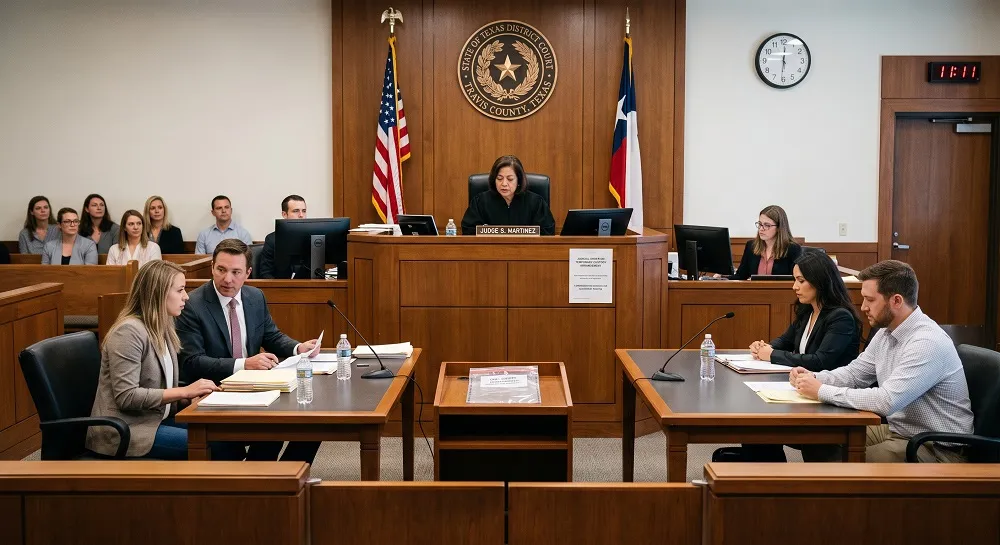
Texas courts decide custody issues based on the best interests of the child. That standard generally reflects the idea that a child benefits from a healthy relationship with both parents whenever possible, while also recognizing that every family’s circumstances are different.
Best Interests of the Child
Courts may consider a wide range of facts when deciding custody, including each parent’s relationship with the child, the stability of the home environment, the child’s physical and emotional needs, and whether either parent presents a risk of harm. Texas courts may also consider a child’s preference in some situations, particularly as the child gets older.
Factors Courts May Consider
- The age and health of each parent
- The home environment each parent can provide
- The child’s relationship with parents and siblings
- Work schedules and availability
- Educational and childcare needs
- Special needs of the child
- Any history of domestic violence
- The child’s preference, when appropriate
- Other facts the court considers relevant
When Sole Custody Becomes More Likely
Although courts often try to keep both parents involved, some situations call for more limited rights for one parent. Cases involving abuse, severe neglect, abandonment, or serious threats to the child’s well-being may lead to a more restrictive arrangement.
#cta_start
Protect Your Role in Your Child’s Future
Custody decisions can shape your relationship with your child for years to come. Schedule a confidential consultation to discuss your situation and get experienced legal guidance on whether joint or sole custody may be appropriate in your case.
#cta_end
Joint/Sole Custody Process in Denton County, TX
Custody disputes can feel overwhelming, especially when they involve both legal authority and day-to-day parenting time. At North Texas Family Lawyers, we help clients navigate each stage of the process with a clear strategy and close attention to the issues that matter most.
- Initial Consultation
We begin with a confidential consultation to understand your family situation, your concerns, and the custody issues involved. - Case Evaluation and Strategy
Our team reviews the family dynamics, parenting responsibilities, and legal concerns to determine the strongest path forward. - Filing or Responding
Depending on the case, we help initiate or respond to custody-related actions involving conservatorship, possession, or decision-making rights. - Information Gathering
We work with clients to collect records, communications, schedules, and other information that may affect the case. - Negotiation and Parenting Arrangements
When appropriate, we pursue negotiated solutions or mediated resolutions that address custody rights and parenting time. - Court Representation When Needed
If the matter cannot be resolved outside of court, we are prepared to advocate for your interests before the judge. - Final Orders and Next Steps
Once the issue is resolved, we help make sure the final order clearly addresses custody rights, responsibilities, and parenting arrangements.
Meet Our Attorneys

William F. Neal
Texas Board Certified Family Law Attorney- More than 50 years of legal experience in Texas
- Texas Board Certified in Family Law since 1993
- Widely recognized for his professional excellence, unwavering dedication to his clients, and leadership in the field

James A. Giries
Family Law Attorney- Air Force veteran with a disciplined, honorable, and service-driven approach
- Former owner of an independent law practice for over a decade
- Significant experience and deep knowledge in divorce, custody, property division, and support matters

Trenton E. Wright
Family Law, Estate & Probate Attorney- Solving clients’ family law and estate issues with decades of advanced legal knowledge and experience
- Behind-the-scenes knowledge as a former owner of a real estate and title practice
- Serious background in property, business, and financial matters
Serving Denton County and Beyond
Suite 150 Lewisville, TX 75067

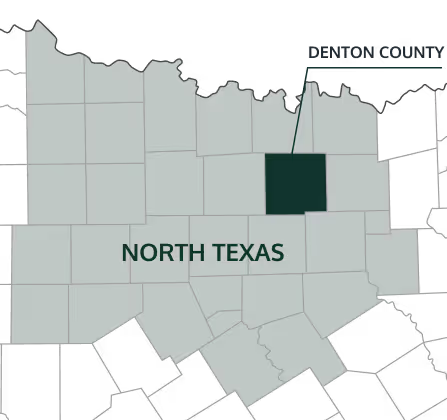
North Texas Family Lawyers represents parents and families throughout Denton County and the surrounding communities from our office in Lewisville. Our firm serves clients who need trusted guidance, responsive communication, and experienced representation in child custody matters involving joint or sole custody.
- Flower Mound
- Highland Village
- Westlake
- Bartonville
- Trophy Club
- Denton
- Lewisville
- The Colony
- Corinth
- Shady Shores
- Little Elm
- Carrolton
- Grapevine
- Argyle
- Frisco
- Fort Worth
Whether you are trying to establish custody, respond to a custody claim, or protect your role in your child’s life during a dispute, we are proud to serve clients across Denton County with practical, strategic counsel.
Talk to a Denton County Custody Lawyer Today
Whether you are seeking joint custody, pursuing sole custody, or responding to a dispute over parental rights, the choices you make now can shape your family’s future. Complete this form to request your confidential consultation and start building a strategy with a Denton County custody lawyer ready to move your case forward.
FAQs
Joint custody generally means both parents share certain rights and responsibilities involving the child, while sole custody usually means one parent has greater authority in one or more important areas. In Texas, these issues are usually addressed through conservatorship and possession orders.
Not necessarily. Parents may share decision-making authority even if the child lives primarily with one parent and the parenting time is not divided evenly.
Many parents use “full custody” to mean sole authority or primary custody, but Texas courts often try to keep both parents involved when doing so serves the child’s best interests. Truly exclusive custody arrangements are less common and usually depend on serious concerns.
Courts look at the best interests of the child, which may include each parent’s home environment, relationship with the child, work schedule, the child’s needs, and any safety concerns.
A child’s preference may be considered in some cases, especially when the child is older, but it is not the only factor the court looks at when making a custody decision.